Studying
Study to become a rescuer in a close‑knit, small educational institution at the heart of the capital. The studies are practical, action‑oriented, and full of team spirit — reflecting the nature of a rescuer’s work.
Helsinki’s hottest place to study
Helsinki Rescue School is a small and community‑oriented institution, where the cooperation between instructors and students is close, and there are good opportunities to consider individual needs. The school also provides excellent opportunities for independent training and physical activity: the modern gym and facilities for spare‑time training offer great conditions for student wellbeing.
Hands-on, practical, and team-oriented
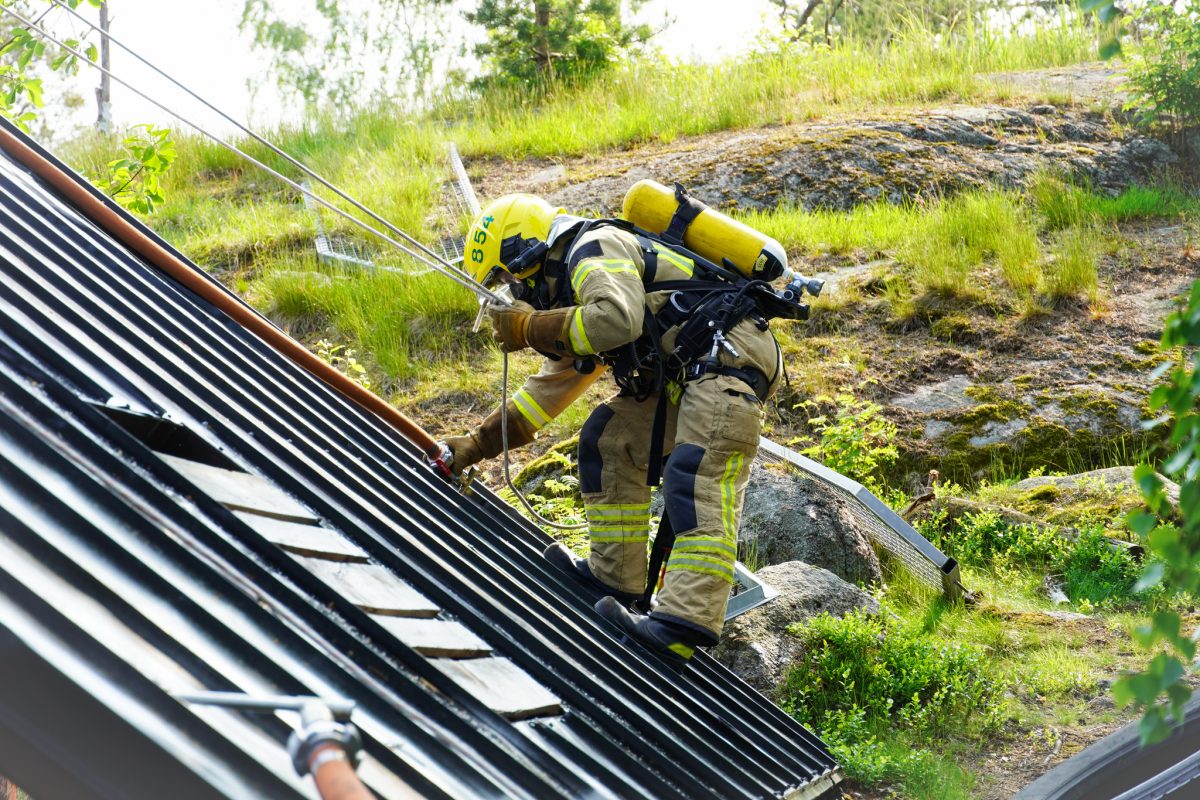
he studies use a variety of teaching methods and learning environments according to what each subject demands. Practical exercises play a central role. Many trainings take place in real‑world environments around the capital region in actual training locations. Because of this, most of the studying is in person and students are required to attend.
Train to become a rescuer in the heart of the capital
The school is located in Jätkäsaari, an urban and maritime district of Helsinki, close to the city centre. Instruction normally takes place on weekdays from 08:00 to 16:00, and the language of instruction for starting courses is Finnish.
The rescuer qualification studies start every year in August. During the first year, students focus on basic, professional and rescue‑operation studies. The final semester consists of the emergency care study module.
In addition to the studies in the programme, students can apply for summer work at various rescue departments in the summer between the 2nd and 3rd semesters.
What You Should Know Before Applying
- Multi-stage admission process – selection involves several steps.
- Start of studies – the program begins every August.
- Program duration – three semesters (1.5 years).
- In-person teaching – practical exercises are central to the training.
- High-quality, varied instruction – combining theory and hands-on practice.
- Standardized curriculum – follows the national rescue training guidelines.
- Community spirit – close collaboration between students and instructors.
- Independent training – facilities are available for practice outside scheduled class times.